

Pustimarg
About Pustimarg
About - Mahaprabhu Shrimad Vallabhacharyaji
Shrimad Vallabhacharyaji, reverentially known as Shri Mahaprabhuji, was the founder and principal propagator of Pushtimarg. He was one of the most illustrious and radiant Acharyas of the Vaishnava tradition.
Vallabhacharyaji was born in Vikram Samvat 1535 (1478/1479 CE), on the eleventh day of the dark fortnight of the month of Chaitra, at Champaranya near present-day Raipur in the Indian state of Madhya Pradesh. Although definitive historical evidence is limited, this is the traditional account widely accepted within the community.
His ancestors belonged to a distinguished lineage of Telugu Vaidiki Brahmins from Andhra Pradesh who followed the philosophical tradition of Vishnuswami. According to devotional traditions, Lord Krishna had promised Vallabhacharyaji's ancestor, Yajnanarayana Bhatta, that He would incarnate in their family after one hundred Soma Yajnas (Vedic fire sacrifices) had been completed. This vow was fulfilled during the generation of Lakshmana Bhatta, Vallabhacharyaji's father, whose family had migrated to the sacred city of Varanasi. Vallabhacharyaji's mother was Illamma.
The period surrounding Vallabhacharyaji's birth was marked by political turmoil, with large parts of North and Central India affected by invasions and religious persecution. During one such period of unrest, Lakshmana Bhatta was compelled to leave Varanasi with his pregnant wife. Owing to the hardships and stress of the journey, the child was born prematurely, about two months before term. Believing the infant to be stillborn, the distressed parents wrapped him in cloth and left him beneath a tree.
According to cherished devotional accounts, Lord Krishna appeared to the parents in a dream and informed them that He Himself had incarnated as their child. When they returned to the spot, they found the infant alive and protected within a circle of divine fire. Filled with wonder and devotion, they embraced the child and named him Vallabha, a Sanskrit word meaning "beloved."
Ordinary human beings are born and die in order to experience the results of the karma accumulated in previous lives. Great souls, however, are not born for such reasons. Their appearance and departure occur by divine will and for a specific spiritual mission. When that mission is completed, they return to the divine abode.
According to Pushtimarg tradition, in the age of Kali many scriptural paths had become obscured by hypocrisy and misunderstanding. Divine souls (Pushti Jivas) longed for a way to attain closeness to Lord Krishna but were unable to find it. Recognizing this, Lord Krishna instructed Vallabhacharyaji to descend to earth and entrusted him with three principal tasks:
- To uplift divine souls by propagating the path of Pushti Bhakti.
- To explain the true meaning of the Bhagavata Purana, the foundation of Pushtimarg.
- To reveal the authentic significance of the scriptural paths of Karma and Jnana that lead toward liberation.
Having received this divine command, Vallabhacharyaji incarnated in the family of Lakshmana Bhatta, a learned and devout Brahmin devoted to Lord Krishna.
In the hymn Shri Vallabhashtakam, Vitthalanathji explains that had Vallabhacharyaji not appeared on earth, divine souls would not have found a path to attain Lord Krishna. Without a proper path of devotion, many seekers would have wandered among misleading doctrines and failed to experience true bhakti. This is regarded as one of the principal reasons for the emergence of the Vallabha Pushti Sampradaya.
Lakshmana Bhatta entrusted the young Vallabha to renowned scholars for education. Demonstrating extraordinary brilliance, Vallabhacharyaji mastered the Vedas, Puranas, Smritis, Tantras, and numerous philosophical systems-including Sankhya, Yoga, Nyaya, Mimamsa, Jain, and Buddhist thoughts-by the age of eight. By the age of ten, tradition holds that he had successfully debated and defeated eminent scholars of Advaita Vedanta at Jagannath Puri.
He travelled extensively throughout India, preaching his philosophical and devotional teachings. He undertook three major pilgrimages covering the entire subcontinent, from Rameshwaram to Haridwar and from Dwarka to Jagannath Puri. During these journeys he recited and expounded the Bhagavata Purana. The eighty-four places sanctified by these visits are today known as the Chaurasi Bethaks (84 Bethakjis) and remain important pilgrimage sites in Pushtimarg.
One of Vallabhacharyaji's great missions was to provide a complete interpretation of the Bhagavata Purana. He explained its teachings in multiple ways and authored the celebrated commentary known as Subodhini.
During one of his journeys, Vallabhacharyaji visited the court of the great king Krishnadevaraya. There, scholars were engaged in prolonged discussions on profound philosophical questions. Vallabhacharyaji participated in these debates for many days, and ultimately the assembled scholars accepted his interpretations as authoritative and conferred upon him the title of "Acharya."
Traditionally, the title Acharya is accorded to one who has composed authoritative commentaries on the Brahma Sutras, Bhagavad Gita, and Vedanta. Vallabhacharyaji wrote commentaries on four foundational authorities which he regarded as supreme: the Vedas, the Bhagavad Gita, the Brahma Sutras, and the Bhagavata Purana (Pramanchatustaya).
At a young age, during his travels, Vallabhacharyaji arrived at Jagannath Puri where scholars were debating four important questions:
- Which scripture is supreme?
- Which deity is supreme?
- Which mantra is supreme?
- Which duty is supreme?
Unable to reach a conclusion, the scholars sought divine judgment before Lord Jagannath. Tradition records that the following declaration was found:
"The supreme scripture is the Gita spoken by the Son of Devaki;
The supreme deity is the Son of Devaki Himself;
The supreme mantra is His divine names;
The supreme duty is the service of that Lord."
This statement became deeply influential within the Pushtimarg tradition.
Vallabhacharyaji emphasized that scriptural knowledge must be properly understood. He taught that the Bhagavata Purana is the essence of all the Vedas and that the relationship between the Vedas and the Puranas is direct and profound. While the Shruti scriptures such as the Vedas provide divine knowledge, the Smriti texts such as the Ramayana and Mahabharata provide practical guidance for living a righteous life.
Travelling barefoot across India three times, Vallabhacharyaji debated leading scholars and established the doctrines of Shuddhadvaita and Pushti Bhakti. During these journeys, he also helped many people who had become estranged from Sanatana Dharma to reconnect with their spiritual heritage.
On a sacred Ekadashi, Lord Krishna is believed to have bestowed upon Vallabhacharyaji the divine Brahmasambandha mantra. Using this mantra, he established the initiation process through which divine souls could enter the path of Pushtimarg.
At approximately fourteen years of age, Vallabhacharyaji formally established Pushtimarg as a unique path of loving devotion. He placed Shri Nathji at the centre of the tradition. When Shri Nathji manifested from the caves of Govardhan Hill, Vallabhacharyaji installed the deity in a small shrine and established the foundational seva practices that became the model for future generations.
Vallabhacharyaji enriched Hindu thought with a vast body of philosophical and devotional literature. As a spiritual teacher, he was known for his compassion, wisdom, and loving guidance. He nurtured his disciples toward the highest achievements of devotion and was regarded as a living embodiment of divine grace.
Many kings honoured him with grand ceremonies such as Kanakabhisheka and offered gifts of gold coins, elephants, and horses. Vallabhacharyaji, however, would donate such wealth to Brahmins and charitable causes. For this reason, he is praised in the Sarvottama Stotra as Mahodara Charitravan-one of exceedingly generous character.
Despite having royal and wealthy disciples, Vallabhacharyaji lived a remarkably simple life. He wore only a dhoti and upper cloth, travelled on foot, prepared his own prasada, and accepted gifts only from his disciples.
Pushtimarg teaches that devotion is ideally practised within the household. After completing his travels, Vallabhacharyaji settled in a modest dwelling at Adel near Prayag, living simply with his family and a small circle of followers.
He taught that the path of Pushti Bhakti was specifically intended for souls possessing divine eligibility. Accordingly, he carefully examined candidates before granting initiation.
Like Vyasa is regarded as an incarnation of divine knowledge, Vallabhacharyaji is revered as an embodiment of devotion who revealed the path of bhakti for Pushti souls. To guide future generations, he authored numerous works, including:
- Anubhashya on the Brahma Sutras
- Commentary on Jaimini Sutras (unfinished)
- Commentary on the Gayatri
- Purva Mimamsa Bhashya Karika
- Subodhini on the Bhagavata Purana
- Sukshma Tika
- Patravalambanam
- Tattvartha Dipa Nibandha
- The sixteen foundational treatises (Shodasha Grantha)
- Siddhanta Muktavali
- And several other works
Vallabhacharyaji also gave great importance to Yamunaji, describing her in the Yamunashtakam as Bhuvanapavani - the purifier of the world. He taught that divine grace often flows through the Guru, devotees, and Yamunaji, helping souls awaken their latent devotion to Krishna.
For Vallabhacharyaji, Krishna is both the Supreme Brahman and a personal divine being. He taught that the ideal devotee should experience Brahman as Krishna and Krishna as Brahman, uniting philosophical realization with loving devotion.
He emphasized unwavering faith in God. According to him, when all other means fail, faith succeeds. The doors of divine grace are never closed; they remain open to all who seek them sincerely.
Although Vallabhacharyaji initially intended to remain a lifelong celibate, during a pilgrimage to Pandharpur he is believed to have received a divine command from Lord Vitthala instructing him to marry. Obeying this command, he married Mahalakshmi (also known as Akkaji) from a family of his own community.
They had two sons. The elder, Gopinathji, was born in 1512 and is traditionally regarded as an incarnation of Balarama. The younger, Vitthalanath, was born in 1515 and is lovingly remembered as Gusainji. While Gopinathji left no descendants, Gusainji had seven sons, known collectively as the Sat Balaks. Through them emerged the seven principal houses (Sat Griha) of the Vallabh lineage, whose descendants are today known as Vallabhkul.
Vallabhacharyaji was never sectarian or narrow-minded. Although firmly rooted in his own tradition, he respected all philosophical viewpoints. In his Tattvartha Dipa Nibandha, he instructed followers to honour truth and wisdom wherever they may be found. His openness is illustrated by the fact that he sent his son Gopinathji to study under the Advaita scholar Madhusudana Sarasvati.
One of the principal purposes of Vallabhacharyaji's incarnation was to reveal the true meaning of the Bhagavata Purana, which he regarded as the essence of all Vedic wisdom. While composing his great commentary, he received an inner divine command to return to the Lord's abode. Feeling that sufficient guidance had already been provided for the souls of Kali Yuga, he renounced household life and accepted the final stage of renunciation.
At Kashi, on the banks of the Ganga, he spent his final days absorbed in divine contemplation. On the day of the Rath Yatra in Vikram Samvat 1587, at the age of fifty-two, he entered the sacred waters of the Ganga and disappeared from earthly sight, returning to the divine realm.
It is often said that no matter how much one writes about Vallabhacharyaji, it can never be enough. As a traditional verse declares:
"Shri-Mad-Vallabha-Namadheya-Sadrisho Bhavi Na Bhutostyapi"
Meaning:
"There has never been, there is not now, and there never shall be anyone equal to Shrimad Vallabhacharyaji."
About Pushtimarg – A Unique Philosophy of Grace, Divine Favour, Love and Seva
Pushtimarg is a distinctive and deeply devotional tradition within the Hindu Vaishnava faith, established nearly five centuries ago by Vallabhacharya. From the fifteenth century onward, the rise of the Bhakti movement profoundly influenced the religious and cultural life of Gujarat. During this period, Shri Vallabhacharyaji (1479–1531) founded the Pushtimarg tradition, which left a lasting and unforgettable imprint on many Gujarati mercantile communities. Vallabhacharyaji travelled extensively throughout Gujarat, and his teachings found a receptive audience among economically stable merchant families who were able to support temples, religious institutions, and devotional activities.
With the spread of the worship of Shrinathji and the growth of the Vallabh Sampradaya, a devotional culture emerged that became deeply woven into the life of Gujarati merchant society. Over the centuries, many families of the Dasha Sorathia Vanik community became followers of the various houses of Vallabhkul. Participation in Manoraths, celebration of religious festivals, support for Haveli traditions, and pilgrimages to Nathdwara became integral parts of their religious life. For many families, economic prosperity was viewed not merely as a personal achievement but as a means of serving Thakorji, supporting religious institutions, and nurturing the Vaishnava tradition.
However, to understand Pushtimarg, it is not sufficient merely to know the life story of its founder. It is far more important to understand its underlying philosophy, devotional spirit, tradition of seva, and unique outlook on life. The very word "Pushtimarg" encapsulates its essence. "Pushti" means a soul nourished, strengthened, and blessed by the grace of God. In many spiritual paths, a seeker strives to attain God through austerity, yoga, knowledge, renunciation, or disciplined spiritual practice. In Pushtimarg, however, the ultimate welfare of the soul is made possible through the selfless grace of God. For this reason, Pushtimarg is often referred to as the "Path of Grace."
Shri Vallabhacharyaji propounded the philosophy of Shuddhadvaita Brahmavada (Pure Non-Dualism). According to this doctrine, Shri Krishna is the Supreme Brahman. The world is not an illusion; rather, it is a manifestation of God Himself. The soul is also a part of God, and its highest purpose is not merely liberation from the cycle of birth and death but the establishment of a loving relationship with God and participation in His eternal service. Consequently, Pushtimarg places greater emphasis on seva and divine love than on moksha (liberation). A devotee in Pushtimarg does not aspire to merge into God but seeks to remain close to Him, serve Him, and relish His divine pastimes (Leela).
The foundation of entry into Pushtimarg is Brahmasambandha. Through Brahmasambandha, the devotee offers and dedicates everything to God. One surrenders one's body, mind, senses, wealth, family, and even ego, accepting that all belong to God (tanu-vittaja seva). Following this sacred initiation, the soul becomes Bhagavadiya - one who belongs entirely to God. In Pushtimarg, this is not merely a ritual but the beginning of an intimate and loving relationship between the devotee and the Divine.
The heart of Pushtimarg is seva. Here, God is not merely worshipped as a distant deity but is treated as the most beloved member of the household. Thakorji is awakened in the morning, bathed, adorned, offered various meals, allowed to rest, and finally put to sleep at night. This entire cycle of worship, known as Ashtayam Seva, is not merely a ritualistic practice but an expression of loving devotion. The devotee experiences God not as a remote omnipotent ruler but as a beloved child, friend, or family member.
With this spirit, the tradition of Ashtayam Seva evolved, consisting of eight daily darshans: Mangala, Shringar, Gwal, Rajbhog, Utthapan, Bhog, Sandhya Aarti, and Shayan. These eight darshans reflect different moments in the daily life of Shri Krishna. Each darshan carries its own mood, symbolism, and remembrance of a particular divine pastime, enabling the devotee to remain connected with Krishna throughout the day.
The centre of Pushtimarg is Shri Krishna, especially in His forms as the beloved child of Vraja, Gopal, and Shrinathji. He is not viewed merely as the Supreme Lord or a religious teacher but as the playful cowherd of Vraja, tending cows, performing divine pastimes, and delighting Mother Yashoda as her cherished son. For this reason, the divine pastimes (Vraja Leela) and the devotional mood of Vraja (Vraja Bhava) occupy a central place in Pushtimarg. Devotion here is founded not on fear or obligation but on love and intimacy.
The importance of bhava (devotional sentiment) in Pushtimarg cannot be overstated. Greater value is placed on the feeling with which an offering is made than on the offering itself. Whether the food offered to God is simple or elaborate, if it is presented with sincere love, it is dear to Him. Therefore, purity of heart and loving devotion are valued far more than external display or ritual grandeur.
The sacred river deity Yamunaji also occupies a uniquely exalted position in Pushtimarg. Yamunaji is regarded as the gateway to divine grace and the foundation of the Vraja Leelas. The Yamunashtakam, composed by Vallabhacharyaji, remains one of the most important hymns of the tradition. For Vaishnavas, Yamunaji is not merely a river but the living embodiment of grace and devotion.
Music occupies a special place in the religious and cultural life of Pushtimarg. Through Haveli Sangeet and the devotional compositions of the Ashtachhap poets, the divine pastimes of Krishna are celebrated and relived. Poets such as Surdas, Kumbhandas, and Nanddas composed devotional verses that continue to inspire Vaishnava life today. Through these kirtans, devotees do not merely remember Krishna; they experience His divine presence and pastimes.
Festivals also hold great significance in Pushtimarg. Janmashtami, Nand Mahotsav, Annakut, Hindola, Phoolmandali, Dolotsav, and many other celebrations are not merely festive occasions but opportunities to relive and participate in Krishna’s divine leelas. During Annakut, a grand offering of food commemorates the Govardhan Leela, while during Hindola, devotees joyfully swing Thakorji, relishing His childhood pastimes.
One of the most distinctive features of Pushtimarg is that it does not advocate renunciation of worldly life. Instead, it teaches devotees to integrate spiritual devotion with household life. There is no requirement to abandon family, profession, social responsibilities, or worldly duties. Rather, every aspect of life is to be performed in a spirit of dedication to God. This makes Pushtimarg a highly practical and life-affirming path, particularly suited to householders.
In essence, Pushtimarg is the path of keeping alive the relationship bestowed by God's grace through love, surrender, and seva. Its foundation is not fear but love; not personal effort alone but divine grace; not merely liberation but the eternal joy of serving and experiencing the divine pastimes of Shri Krishna. The intimate relationship with Krishna of Vraja, loving service to Thakorji, devotion to Yamunaji, the beauty of Haveli music, the emotional richness of festivals, and the ability to place God at the centre of everyday household life together give Pushtimarg a unique and unparalleled place within the great traditions of Indian devotional spirituality.
Pushtimarg - Sahitya, Audio, Video
If one wishes to seriously study the tradition of Vallabhacharya and the Pushtimarg Sampradaya, it helps to think of the available material in three broad categories:
- Original Scriptures (Granthas)
- Explanatory Literature and Commentaries
- Audio-Visual Resources
1. Foundational Pushtimarg Sahitya (Primary Texts)
The heart of Pushtimarg literature consists of the writings of Vallabhacharya, his son Vitthalnathji, and later Acharyas.
A. Shodash Granth (The Sixteen Treatises)
These are regarded as the core doctrinal texts of Pushtimarg and are often called the “Vallabh Gita” of the Sampradaya. They explain the principles of Pushti Bhakti, Seva, Grace (Pushti), surrender, and the nature of the devotee.
Some of the most studied are:
- Yamunashtakam
- Balbodh
- Siddhant Rahasya
- Navratna
- Vivek Dhairya Ashraya
- Krishnashraya
- Bhakti Vardhini
- Chatushloki
- Panchpadyani
- Nirodha Lakshanam
- Seva Phalam
A complete audio rendering of the Shodash Granth is available online.
B. Major Scholarly Works
By Mahaprabhuji:
- Anubhashya
- Subodhini
- Tattvartha Deep Nibandha
These are advanced texts and generally studied with guidance.
C. Works of Gosainji (Vitthalnathji)
- Vidvan Mandan
- Bhakti Hetu Nirnaya
- Various seva-related and philosophical works
D. Varta Literature
These are among the most beloved texts in the tradition:
- Chaurasi Vaishnavon Ki Varta
- Do Sau Bavan Vaishnavon Ki Varta
They preserve the lives, bhava, seva, and experiences of early devotees and are often the easiest way for household Vaishnavs to understand Pushtimarg in practice.
2. Secondary Literature (Recommended for Modern Readers)
For most educated Vaishnavs today, the following progression is recommended:
- Pushti Pravesh
- Praveshika
- Pushti Path
- Yamunashtakam with explanation
- Shodash Granth with commentary
- Varta literature
- Tattvartha Deep Nibandha
- Subodhini and Anubhashya
Several Pushtimarg study portals have already categorized material according to beginner, intermediate, and advanced levels.
3. Digital Libraries (Free Granth Collections)
For serious study, these are among the most useful repositories:
Digital Pushti Repository
Contains original granthas of Mahaprabhuji, Gosainji, and later Acharyas in Sanskrit, Braj, Gujarati, and Hindi.
Pushti Sahitya Archive
Large free collection of downloadable PDFs and traditional literature.
Pushtigranth Library
Offers ebooks, audio books, Shodash Granth recordings, Bhagavat literature, Varta texts, and related publications.
4. Audio Resources
Pravachan Archives
Contains extensive recordings on:
- Shodash Granth
- Vallabh Vedant
- Bhagavat
- Gita
- Siddhant Rahasya
- Bhakti Vardhini
- Vivek Dhairya Ashraya
- Sarvottam Stotra
By scholars and Acharyas such as:
- Shyam Manoharji
- Purushottamlalji
- Sharadkumarji
5. Video Resources
YouTube Channels Worth Exploring
Pushtivrund YouTube Channel
Among the richest collections available online:
- Vallabhakhyan
- Kirtans
- Nitya Niyam
- Festivals
- Seva-related teachings
The complete Vallabhakhyan recital is particularly popular.
Other useful channels include:
- Pushtimarg Official channels of various Gaddis
- Nathdwara-related channels
- Kankroli and Jatipura seva channels
- Individual Acharyas' discourse channels
6. Kirtan Sahitya
A separate and vast field is Pushtimarg Kirtan literature.
Ashtachhap Poets
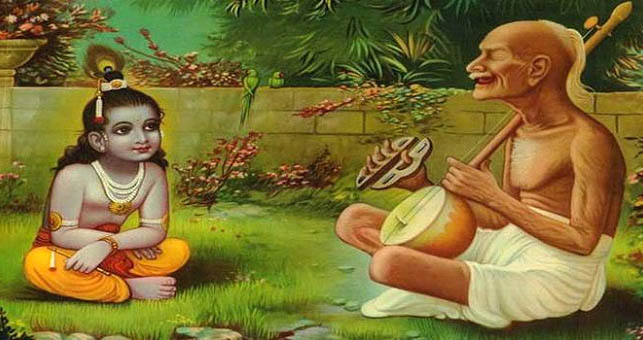
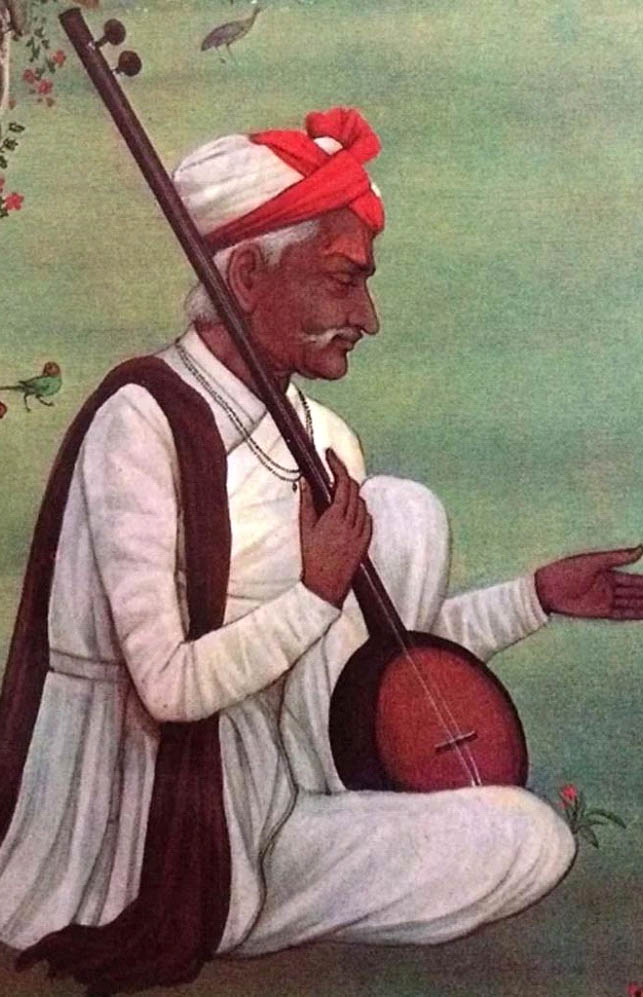
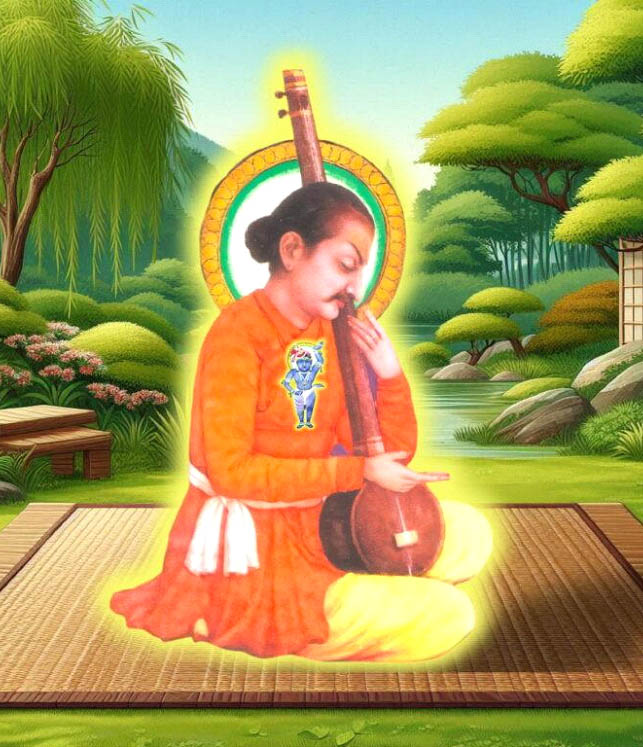
The eight great poets include:
- Surdas
- Kumbhandas
- Nanddas
- Krishnadas
- Paramananddas
- Chaturbhujdas
- Govindswami
- Chhitswami
Their padas form the musical and devotional backbone of Haveli Sangeet.
A Suggested One-Year Study Path
For a thoughtful Vaishnav interested in both Siddhant and Bhava:
- Yamunashtakam
- Sarvottam Stotra
- Pushti Pravesh
- Balbodh
- Siddhant Rahasya
- Navratna
- Vivek Dhairya Ashraya
- Bhakti Vardhini
- 84 Vaishnav Varta
- 252 Vaishnav Varta
- Vallabhakhyan
- Bhagavat through Subodhini-based Pravachans
This sequence gives a balanced understanding of Siddhant (philosophy), Seva (practice), and Bhava (devotional experience) without becoming overwhelmingly academic too early.
Given your earlier interest in the history of the Dasha Sorathia Vanik community and its long association with Pushtimarg, a complete annotated reading list of Pushtimarg literature can also be prepared, arranged chronologically from Mahaprabhuji (1479 CE) to contemporary Acharyas, including Gujarati, Hindi, and English sources.